How Casino Places in Tuyên Quang Enter Public Conversation
Casino places in Tuyên Quang are discussed through setting, access, and public language. Learn to distinguish a venue’s surroundings from claims about its role.
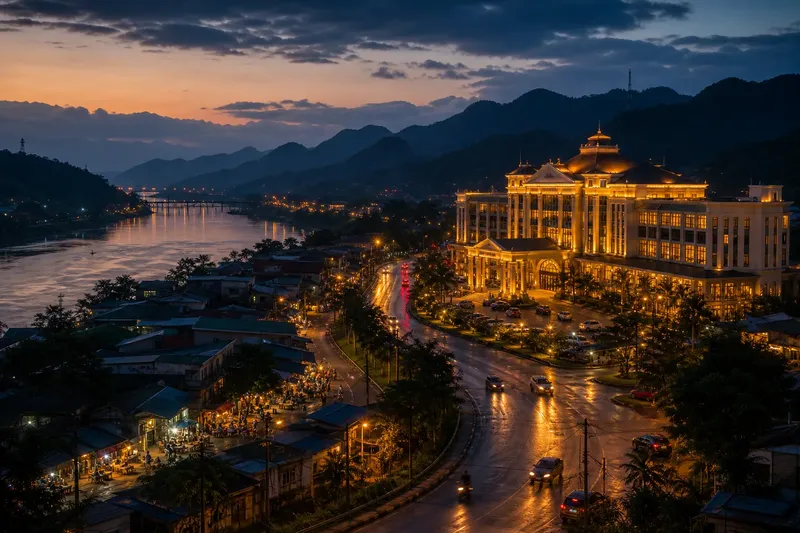
Casino places in Tuyên Quang enter public conversation through the roles people assign them: visitor attraction, commercial site, or subject of civic discussion. Those labels shape how readers understand a venue, but the wording alone does not establish what happens there.
Casino places in Tuyên Quang
A place can matter in public discussion as a setting, a business, or a symbol. These roles are not interchangeable. A description of a venue’s surroundings gives readers bearings; a claim about its place in community life says something broader about people and their relationship to it.
That distinction is especially useful in regional coverage. A casino described as part of Tuyên Quang may be discussed in relation to travel, commerce, entertainment, or public policy. The province name sets a broad frame, not a complete account of the venue or its standing among residents.
Language shapes place
Words such as “destination,” “neighbor,” and “local attraction” do more than locate a site. Each suggests a different social relationship. “Destination” implies a reason to visit; “neighbor” frames the venue alongside other places; “local attraction” suggests public recognition. A writer should make clear whether such terms are a source’s description or a conclusion supported by specific details.
Public conversation can also reveal what people choose to emphasize. A tourism discussion may foreground access and visitor appeal, while a neighborhood discussion may focus on nearby activity or changes to a familiar setting. Those frames may differ without directly contradicting one another.
Keep the label tied to the person or account using it.
Surroundings and access
References to a road, lodging, commercial street, or civic space help readers picture a venue’s setting. They do not, by themselves, explain how people use the area or whether the venue belongs to their routine. A nearby market is a landmark, not automatic evidence of a shared social life.
Access language needs the same care. A description might mention a road or transport link, but that detail does not establish who arrives, why they come, or how often. Keep physical orientation separate from claims about visitors and residents.
What do place labels imply?
When is a venue a destination?
“Destination” implies that people go there for a stated reason, rather than merely identifying its location. Use the term when the account describes that visitor relationship or attributes the label to a clear source.
Does a nearby landmark show a connection?
No. A landmark indicates position, while a connection suggests some relationship between people, activities, and the venue. Describe that relationship only when the account supplies a concrete basis for it.
What makes a venue part of public discussion?
A venue enters public discussion when people, institutions, or published accounts address it. Identify the speakers and the subject of their discussion; one comment should not be presented as the view of a whole community.
Why can descriptions differ?
Accounts may focus on different aspects, such as the surrounding area, visitor access, or public debate. State what each account emphasizes before deciding whether the descriptions conflict.
Read public descriptions carefully
When several accounts describe a casino place differently, compare the subject of each claim. These checks help separate geographical context from assertions about social role:
- Named setting: If an account identifies a province, town, or district, state that level of location; if it does not, keep the setting broad rather than supplying a more exact place.
- Nearby features: If the account names a road, business, or public space, describe that feature as stated; if it names none, do not add a landmark.
- Route information: If the account names a route or transport connection, report that detail; if it does not, avoid inferring how visitors arrive.
- Visitor role: If a source explains why people visit, attribute that reason to the source; if it only names the venue, do not call it a destination on that basis.
- Community role: If a named speaker describes a relationship with the surrounding area, identify the speaker and the relationship; if no speaker or activity is given, leave the community claim unestablished.
- Public debate: If a record or participant documents a discussion, describe its subject and source; if the wording offers only a general impression, attribute that impression rather than treating it as shared opinion.
Say you are editing an invented travel note that gives “Tuyên Quang” as its setting, mentions one nearby road, and calls a casino a “local gathering place.” The first action is to retain the province as the stated location and the road as a stated feature. The next is to attribute “local gathering place” to the note, then check whether it names people or activities supporting that claim. If it does not, the resulting description can report the setting and road while treating the venue’s community role as unestablished; if it does, identify the specific account rather than broadening it to all residents.
Separate setting from role
Casino places in Tuyên Quang are easier to discuss when physical surroundings and public meaning remain distinct. A road, lodging area, or commercial street can orient a reader; a claim about local significance needs its own stated basis.
For a clear account, name what the description actually provides, identify whose characterization is being repeated, and leave unsupported social claims open. The distinction helps readers see not only where a venue is said to be, but also what the available words do—and do not—say about its place in public life.